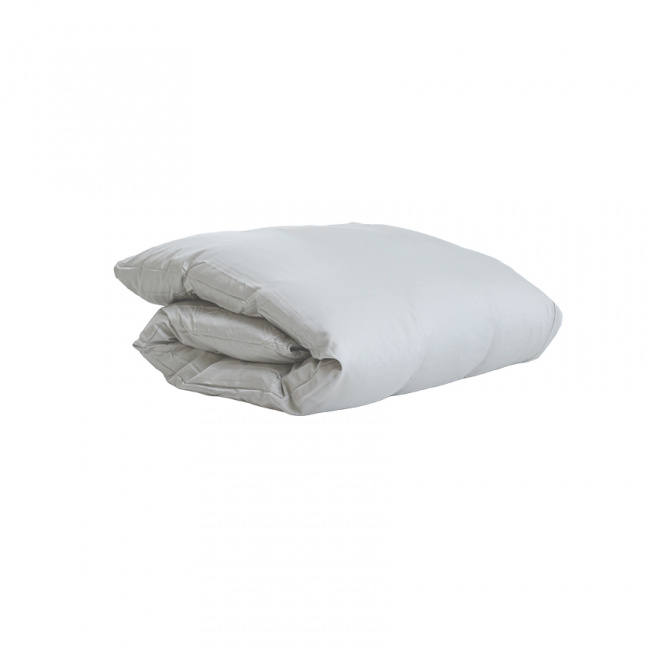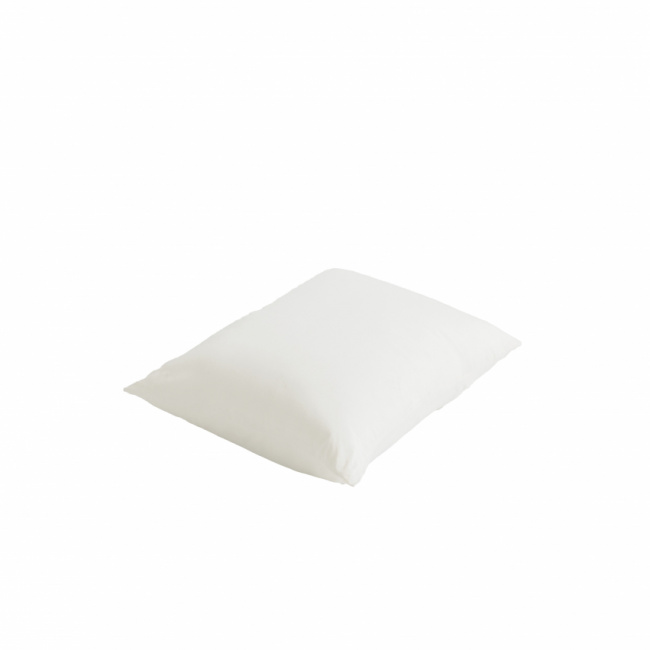







Bamboo as a material
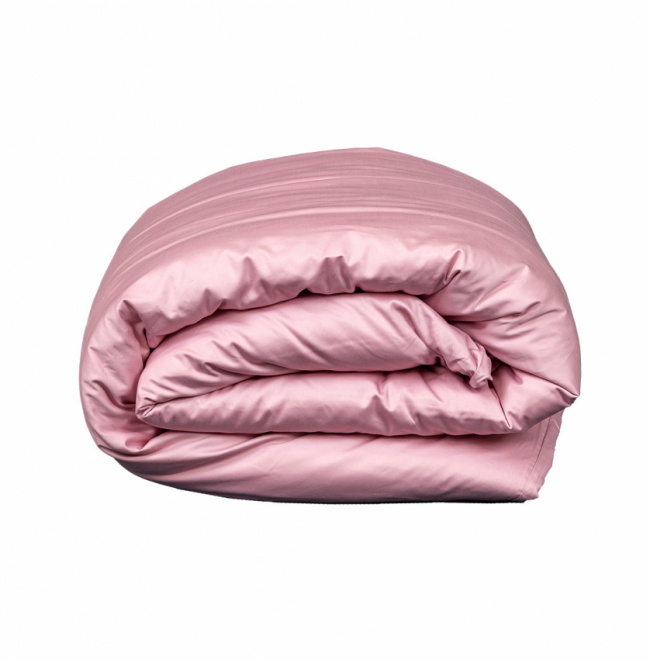
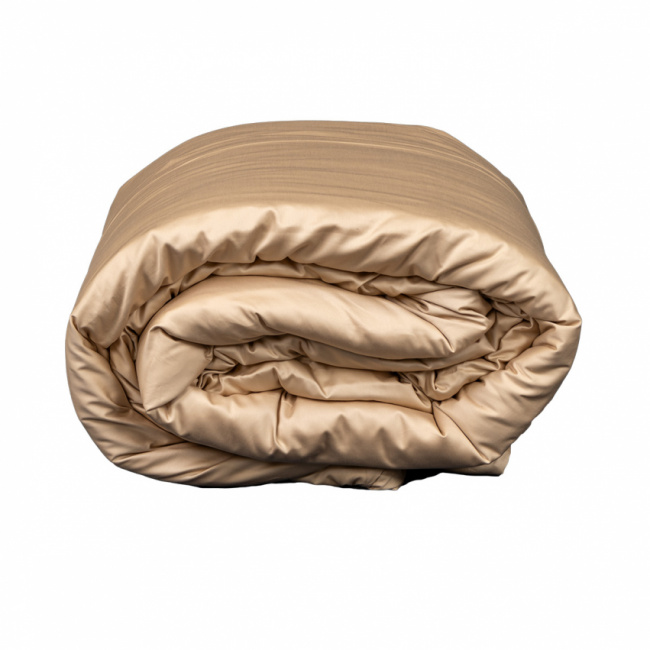
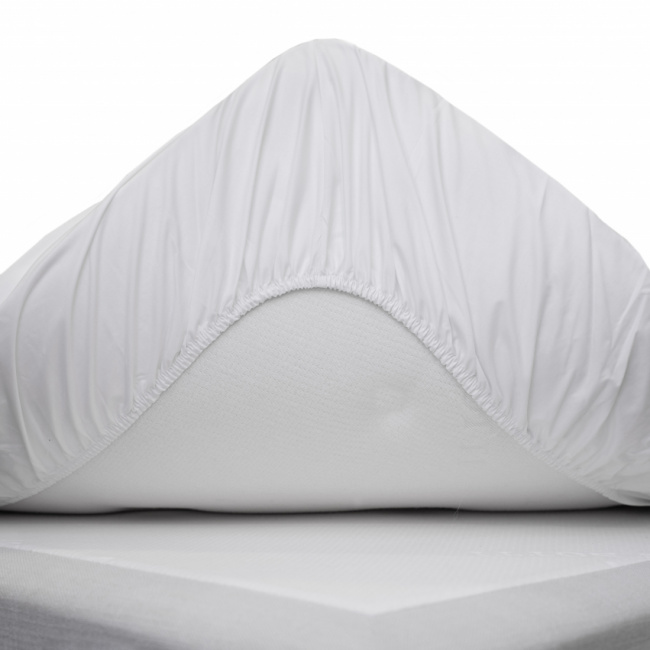
Bamboo has the ability to absorb and evaporate up to four times more moisture than conventional cotton materials, making it ideal for all seasons. The bamboo material is not only high-performing but also naturally antibacterial, creating a fresher and more hygienic sleeping environment. In addition, bamboo is 100% biodegradable and renewable.
Bamboo, satin, and silk pillowcases are made from much softer materials. These materials allow for a smooth surface where your hair and skin can glide effortlessly, reducing friction and thereby the risk of wear and tear. Bamboo, satin, and silk pillowcases also have a lower absorption capacity compared to cotton pillowcases, which helps to keep your hair and skin maintain their natural moisture levels.
What is bamboo satin?
Bamboo satin is a material made by using bamboo fibers to create a satin-like fabric. It is important to note that the term "satin" in bamboo satin refers to the weave structure rather than the actual material. Satin is a weaving technique where the threads are arranged in a manner that gives the fabric a smooth and glossy surface.
Benefits of bamboo
Here are some features and benefits of bedding made from 100% bamboo:
Softness: Bamboo fibers are naturally soft and provide a pleasant feel against the skin. Bedding made from 100% bamboo can feel silky smooth and luxurious.
Breathability: Bamboo is known for its excellent breathability and moisture regulation. It can help keep you cool and comfortable throughout the night by absorbing and evaporating moisture.
Hypoallergenic properties: Many bamboo products have antibacterial and hypoallergenic properties, which can be beneficial for individuals with sensitive skin or allergies.
Eco-friendly: Bamboo is a fast-growing plant that requires less water and no pesticides compared to cotton. Bedding made from 100% bamboo is often considered an environmentally friendly choice.
Durability: Bamboo is strong and durable, meaning bamboo bedding can be long-lasting if cared for properly.
Caring for and washing your bamboo sheets
Bamboo sheets are made from a durable material, and with the right care, they can remain soft and luxurious for a long time. When you receive your new bamboo sheets, take the time to unpack them and feel their softness and quality.
When it comes to washing your bamboo sheets in the washing machine, it is absolutely feasible and practical. They do not need to be hand-washed, but to prolong their lifespan, you should consider using a gentle wash cycle. It is not necessary, but it can definitely help maintain the sheets' quality over time. Sometimes it is advisable to show extra care for your new sheets to preserve their luxurious feel.
When it comes to washing temperature, it is best to wash bamboo sheets at a maximum of 40°C. Bamboo is a functional material with natural dirt-repellent and antibacterial properties. Washing at too high a temperature can lead to shrinkage and breaking of fibers, which can affect the sheets' antibacterial properties. Additionally, it is environmentally friendly and cost-effective to wash at lower temperatures.
Which detergent is suitable for my bamboo sheets?
It is very important to avoid laundry products that contain bleach, optical brighteners, and fabric softeners. We recommend enzyme-free detergent. To ensure long-lasting quality and preservation of the sheets' integrity, it is recommended to avoid using such laundry products.
How should I dry my bamboo sheets?
Air dry your sheets to preserve their durability and quality, or you can tumble dry your bamboo sheets on the lowest possible temperature to avoid shrinkage.
At what temperature should I wash my bamboo sheets?
We recommend washing bamboo sheets at a maximum of 40°C. Bamboo is a functional material that has dirt-repellent properties in itself and is naturally antibacterial, which prevents the growth of microorganisms and keeps unpleasant odors away. Washing at too high a temperature can result in shrinkage and also risks breaking down the fibers and the material losing its antibacterial properties. Washing at lower temperatures will also save you some money since the water doesn’t need to be heated.